
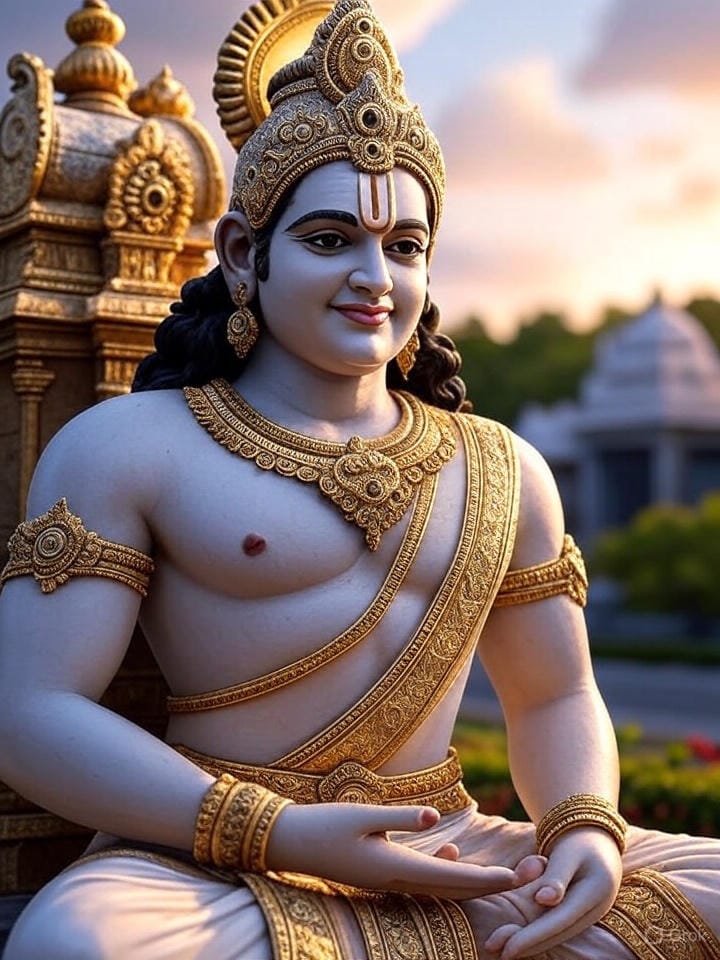
Panchal Baramulla: The Five Divine Forms of Lord Venkateshwara
Panchal Baramulla The Five Divine Forms of Lord Venkateshwara Tirumala Hills of Andhra Pradesh, is a beacon of divine energy and spiritual solace. Revered as one of the holiest Vaishnavite shrines, it draws millions of devotees annually, seeking the blessings of Lord Venkateshwara, an incarnation of Lord Vishnu. At the heart of this temple lies a unique and sacred tradition rooted in the Vaikhanasa Agama, known as the Pancha Beramulu—the five divine forms of Lord Venkateshwara. These forms, each with distinct roles and significance, embody the multifaceted nature of the deity, ensuring that devotees experience His divine presence in various rituals and festivals. This blog, Panchal Baramulla: The Five Divine Forms of Lord Venkateshwara, explores these sacred forms—Moolavirat, Kautuka Beram (Bhoga Srinivasa), Snapana Beram (Ugra Srinivasa), Utsava Beram (Malayappa Swamy), and Bali Beram (Koluvu Srinivasa)—and their integral roles in the spiritual and ritualistic framework of the Ananda Nilayam.
The Sacred Tradition of Pancha
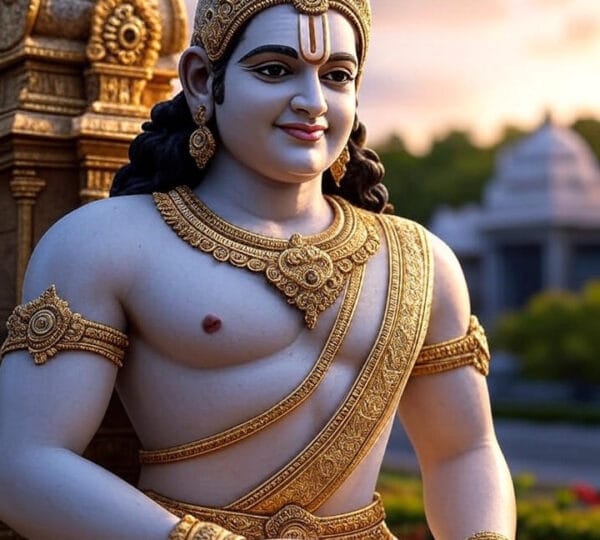
Panchal Baramulla The Five Divine Forms of Lord Venkateshwara
Beramulu
The term Pancha Beramulu translates to “five deities” in Telugu, where pancha means five and beram refers to a deity or idol. According to the Vaikhanasa Agama, an ancient scriptural tradition that governs the worship practices at Tirumala Venkateswara Temple, Lord Venkateshwara manifests in five distinct forms to facilitate various rituals, from daily worship to grand processions. Each form serves a specific purpose, ensuring that the divine presence of Lord Venkateshwara is accessible to devotees in multiple dimensions, whether through stationary worship in the sanctum sanctorum or vibrant festival processions in the Tirumala Hills.
The Pancha Beramulu are housed in the Garbha Griha, the innermost sanctum of the temple under the Ananda Nilayam, the golden gopuram (tower) that crowns the sacred space. This architectural marvel, with its gilt copper plates and depictions of deities, symbolizes the celestial abode of Lord Venkateshwara. The five forms—Moolavirat, Kautuka Beram, Snapana Beram, Utsava Beram, and Bali Beram—represent the deity’s diverse attributes, from His serene permanence to His dynamic engagement with devotees. In this exploration of Panchal Baramulla: The Five Divine Forms of Lord Venkateshwara, we delve into each form’s unique characteristics, historical origins, and ritualistic significance.
Panchal Baramulla The Five Divine Forms of Lord Venkateshwara
The Moolavirat, also known as the Dhruva Beram (meaning “fixed” or “immobile” deity), is the central and most sacred form of Lord Venkateshwara in the Tirumala Venkateswara Temple. Standing approximately 8 feet tall, this self-manifested (Swayambhu) idol of salagrama stone is the primary source of spiritual energy for the temple. Unlike crafted idols that adhere to strict agamic rules, the Moolavirat is believed to have appeared naturally, embodying the divine essence of Lord Vishnu in His form as Venkateshwara, the savior of mankind in the Kali Yuga.
The Moolavirat stands majestically on a lotus base in the Garbha Griha under the Ananda Nilayam. Adorned with four arms, the deity holds a shanka (conch) and chakra (discus) in His upper hands, while the lower hands are positioned in Varada (boon-giving) and Kati (resting on the hip) postures. The idol is embellished with Vaishnavite ornaments, including a vajra kiritam (diamond crown), Makarakundalas (crocodile-shaped earrings), Nagabharana (serpent ornaments), and sacred garlands like the Saligrama haram and Lakshmi haram. A distinctive feature is the image of Goddess Lakshmi, depicted as Vyuha Lakshmi, carved on the right side of the deity’s chest, symbolizing Her eternal presence with the Panchal Baramulla The Five Divine Forms of Lord Venkateshwara
The Moolavirat is the focal point of major rituals, such as the Suprabhatam Seva (morning awakening), Tomala Seva (garlanding), and Sahasranamarchana (recitation of 1,000 names of Lord Srinivasa). On Tuesdays, the Ashtadala Pada Padmaaradhana Seva involves offering 108 gold lotuses to the deity’s feet, while Thursdays feature the Tiruppavada Seva, where large quantities of pulihora (tamarind rice) and sweetmeats are offered in a trapezoidal arrangement. Fridays are marked by the Abhishekam, a sacred bath with holy waters, milk, curd, ghee, and sandalwood paste, accompanied by the chanting of the Pancha Suktas (five Vedic hymns). These rituals, performed in accordance with the Vaikhanasa Agama, underscore the Moolavirat’s role as the Panchal Baramulla The Five Divine Forms of Lord Venkateshwara
Kautuka Beram: Bhoga Srinivasa, the Deity of Pleasures
The Kautuka Beram, popularly known as Bhoga Srinivasa, is a small, one-foot-tall silver deity gifted to the temple in 614 AD by Pallava Queen Samavai Perindevi. Positioned near the left foot of the Moolavirat and perpetually connected by a sacred Sambandha Kroocha (a ceremonial thread), this deity represents the aspect of Lord Venkateshwara that enjoys worldly pleasures (bhoga) on behalf of the main deity. The Kautuka Beram is angled at 45 degrees toward devotees, holding a Prayoga Chakra (a discus poised to strike), symbolizing divine readiness and protection.
The Bhoga Srinivasa idol receives daily Abhishekam in place of the Moolavirat, ensuring the main deity remains undisturbed. This includes the Sahasra Kalashabhishekam every Wednesday, where the deity is bathed with sacred waters from 1,008 silver vessels. The Ekanthaseva (private bedtime ritual) is performed nightly for Bhoga Srinivasa, except during Dhanurmasa, when the deity is replaced by an idol of Lord Krishna holding butter. The Kautuka Beram’s role in Panchal Baramulla: The Five Divine Forms of Lord Venkateshwara highlights its function as Panchal Baramulla The Five Divine Forms of Lord Venkateshwara
Snapana Beram: Ugra Srinivasa, the Fearsome Aspect
The Snapana Beram, or Ugra Srinivasa, embodies the fierce and protective aspect of Lord Venkateshwara. This deity, also made of silver, remains within the sanctum sanctorum and is rarely brought out, emerging only once a year on Kaishika Dwadasi before sunrise for a special procession. The term snapana means “cleansing,” and this deity receives daily Abhishekam with holy waters, milk, curd, ghee, and Panchal Baramulla The Five Divine Forms of Lord Venkateshwara
Historically, Ugra Srinivasa served as the Utsava Beram (processional deity) until 1330 CE, when frequent fires during processions prompted devotees to seek divine guidance. Lord Venkateshwara appeared in a dream, instructing the discovery of new idols in the Tirumala Hills, leading to the adoption of the Malayappa Swamy as the primary processional deity. The Snapana Beram’s limited public appearances reflect its potent and intense energy, reserved for specific rituals to maintain the sanctity of the temple. In Panchal Baramulla: The Five Divine Forms of Lord Venkateshwara, Ugra Srinivasa represents the Panchal Baramulla The Five Divine Forms of Lord Venkateshwara
Utsava Beram: Malayappa Swamy, the Festival Deity
The Utsava Beram, known as Malayappa Swamy, is the processional deity of the Tirumala Venkateswara Temple, always accompanied by His consorts, Sridevi and Bhudevi. Crafted from panchaloha (a five-metal alloy), this deity was discovered in a cave called Malayappan Konai in the Tirumala Hills, earning the name “King of the Hills.” Malayappa Swamy is the Panchal Baramulla The Five Divine Forms of Lord Venkateshwara
This deity presides over major festivals like Brahmotsavam, Kalyanotsavam, Dolotsavam, Vasanthotsavam, and Sahasra Deepalankarana Seva. Adorned with priceless jewels donated by devotees, Malayappa Swamy embodies celebration and accessibility, allowing worshippers to witness the grandeur of Lord Venkateshwara outside the sanctum. The transition from Ugra Srinivasa to Malayappa Swamy as the Utsava Beram marked a significant shift in temple traditions, reducing calamities and enhancing the festive spirit of the Tirumala Hills. In Panchal Baramulla: The Five Divine Forms of Lord Venkateshwara, Malayappa Swamy symbolizes the deity’s dynamic engagement withPanchal Baramulla The Panchal Baramulla The Five Divine Forms of Lord Venkateshwara
Bali Beram: Koluvu Srinivasa, the Guardian of Prosperity
Panchal Baramulla The Five Divine Forms of Lord Venkateshwara the financial and economic affairs of the Tirumala Venkateswara Temple. Also crafted from panchaloha, this deity resembles Bhoga Srinivasa and is seated on a golden throne in the Snapana Mandapam during the daily Koluvu Seva. This ritual involves presenting the previous day’s offerings, income, and expenditures, along with the Panchanga Sravanam (recitation of the day’s astrological details, including tithi, sunrise, sunset, and nakshatra).
The Bali Beram ensures the temple’s prosperity and operational harmony, acting as the divine administrator. Its presence underscores the holistic nature of Lord Venkateshwara’s divine governance, extending beyond spiritual salvation to material well-being. In Panchal Baramulla: The Five Divine Forms of Lord Venkateshwara, Koluvu Srinivasa represents the deity’s role as a sustainer of abundance, ensuring the temple remains a thriving center of faith and devotion.
The Vaikhanasa Agama and Its Role in Worship
The Pancha Beramulu system is a cornerstone of the Vaikhanasa Agama, a revered tradition of Vishnu worship propagated by Sage Vikhanasa and his disciples, including Bhrigu, Atri, Marichi, and Kasyapa. This agama prescribes detailed rituals, including six daily pujas, to honor Lord Venkateshwara as the Supreme Being. The Tirumala Venkateswara Temple adheres strictly to these guidelines, ensuring thatPanchal Baramulla The Five Divine Forms of Lord Venkateshwara
Panchal Baramulla The Five Divine Forms of Lord Venkateshwara, while the other berams facilitate rituals that require mobility or specific functions. For instance, the Kautuka Beram and Snapana Beram handle daily ablutions, the Utsava Beram leads processions, and the Bali Beram oversees administrative rituals. This structured approach ensures that devotees experience a comprehensive connection with Lord Venkateshwara, from intimate worship to grand celebrations. In Panchal Baramulla: The Five Divine Forms of Lord Venkateshwara, the Vaikhanasa Agama serves as the spiritual blueprint, guiding the temple’s rituals with precision and devotion.
Ananda Nilayam: The Abode of Bliss
The Ananda Nilayam, meaning “Abode of Bliss,” is the golden gopuram that crowns the Garbha Griha, housing the Pancha Beramulu. Constructed in the Dravidian architectural style, this three-storied structure is adorned with gilt copper plates and intricate carvings of deities, including a replica of Lord Venkateshwara known as Vimana Venkateswara. The Ananda Nilayam symbolizes the celestial realm where Lord Venkateshwara resides, radiating divine energy across the Tirumala Hills.
Panchal Baramulla The Five Divine Forms of Lord Venkateshwara their interconnected roles in the temple’s spiritual ecosystem. The Moolavirat anchors this sacred space, while the other deities facilitate dynamic interactions with devotees. The golden radiance of the Ananda Nilayam reflects the temple’s spiritual and material prosperity, drawing pilgrims to experience the divine presence of Lord Venkateshwara. In Panchal Baramulla: The Five Divine Forms of Lord Venkateshwara, the Ananda Nilayam stands as a testament to the temple’s sanctity and architectural grandeur.
The Tirumala Hills: A Divine Landscape
Panchal Baramulla The Five Divine Forms of Lord Venkateshwara the earthly abode of Lord Venkateshwara, often referred to as Kaliyuga Vaikuntha (Vishnu’s paradise in the Kali Yuga). Rising to an altitude of 853 meters, these seven hills are steeped in mythological significance, with each hill symbolizing one of the hoods of Shesha, Vishnu’s serpent. The discovery of Malayappa Swamy in the Malayappan Konai cave highlights the hills’ sacred geography, believed to be divinely ordained for the deity’s manifestation.
The Tirumala Hills enhance the spiritual ambiance of the Tirumala Venkateswara Temple, providing a serene backdrop for the Pancha Beramulu rituals. Pilgrims ascend these hills, often on foot, as an act of devotion, seeking the blessings of Lord Venkateshwara. The hills also house sub-shrines for deities like Garuda, Narasimha, and Vishwaksena, enriching the temple’s divine ecosystem. In Panchal Baramulla: The Five Divine Forms of Lord Venkateshwara, the Tirumala Hills are not merely a physical location but a sacred space where devotees encounter the divine in all its forms.
Panchal Baramulla The Five Divine Forms of Lord Venkateshwara
The Tirumala Venkateswara Temple’s history intertwines mythology and historical patronage. According to legend, Lord Venkateshwara appeared on the Tirumala Hills to save mankind from the trials of the Kali Yuga. The Moolavirat is believed to be self-manifested, predating human craftsmanship, while the temple’s construction began around 300 CE, with contributions from the Pallava, Chola, Pandya, and Vijayanagara dynasties. The Pallava Queen Samavai’s gift of the Kautuka Beram in 614 AD marks a significant historical milestone, as does the establishment of the Tirupati Jeeyar Matha by Ramanuja in 1119 AD to oversee Vaikhanasa rituals.
Mythologically, the temple is linked to stories of divine love and devotion. Lord Venkateshwara’s marriage to Padmavathi, arranged by Vakulamalika (a form of Goddess Lakshmi), is celebrated in the Kalyanotsavam festival, with Malayappa Swamy as the central deity. The presence of both Lakshmi and Padmavathi as stone idols on the Moolavirat’s chest reflects their eternal companionship with the Lord. These narratives, woven into Panchal Baramulla: The Five Divine Forms of Lord Venkateshwara, enrich the temple’s spiritual legacy, making it a vibrant center of faith.
Rituals and Festivals: The Living Tradition
Panchal Baramulla The Five Divine Forms of Lord Venkateshwara’s elaborate rituals and festivals, each tailored to the deity’s specific role. The Moolavirat is central to daily sevas like Suprabhatam, Tomala Seva, and Naivedyam, while the Kautuka Beram handles daily Abhishekam and Ekanthaseva. The Snapana Beram’s rare procession on Kaishika Dwadasi adds an air of mystique, and the Utsava Beram shines during festivals like Brahmotsavam and Vasanthotsavam. The Bali Beram ensures the temple’s prosperity through the Koluvu Seva, maintaining its economic stability.
These rituals, governed by the Vaikhanasa Agama, are complemented by the recitation of sacred texts like the Naalayira Divya Prabandham and the Venkateswara Suprabhatam, composed by Prathivadhi Bhayankaram Annangaracharya. The poet-saint Annamacharya’s 32,000 sankirtanas in praise of Lord Venkateshwara further enrich the temple’s devotional culture. In Panchal Baramulla: The Five Divine Forms of Lord Venkateshwara, these rituals and festivals showcase the dynamic interplay of the five deities, offering devotees a multifaceted spiritual experience.
The Spiritual Significance of Pancha Beramulu
The Pancha Beramulu system is a profound expression of Lord Venkateshwara’s all-encompassing divinity. The Moolavirat represents His eternal, unchanging presence; the Kautuka Beram embodies His enjoyment of worldly offerings; the Snapana Beram reflects His protective fierceness; the Utsava Beram brings His grace to the masses; and the Bali Beram ensures material prosperity. Together, these forms address the spiritual, emotional, and material needs of devotees, making the Tirumala Venkateswara Temple a holistic center of worship.
In Panchal Baramulla: The Five Divine Forms of Lord Venkateshwara, the Pancha Beramulu symbolize the deity’s accessibility and omnipresence. Whether through the serene gaze of the Moolavirat or the festive splendor of Malayappa Swamy, devotees experience Lord Venkateshwara’s boundless compassion. The Vaikhanasa Agama’s structured rituals ensure that each form serves its divine purpose, creating a harmonious balance that resonates with the spiritual aspirations of millions.
Conclusion
The Tirumala Venkateswara Temple, with its Pancha Beramulu, stands as a testament to the enduring power of faith and devotion. The Moolavirat, Kautuka Beram, Snapana Beram, Utsava Beram, and Bali Beram collectively embody the multifaceted nature of Lord Venkateshwara, offering devotees a comprehensive spiritual experience. From the sacred confines of the Ananda Nilayam to the vibrant processions across the Tirumala Hills, these five divine forms bring the deity’s presence into every aspect of temple life. Panchal Baramulla: The Five Divine Forms of Lord Venkateshwara celebrates this sacred tradition, inviting devotees to explore the divine interplay of these forms and deepen their connection with the Lord of the Seven Hills.
Panchal Baramulla: The Five Divine Forms of Lord Venkateshwara
In the sacred realm of Hindu spirituality, the Panchal Baramulla The Five Divine Forms of Lord Venkateshwara hold a profound significance, particularly at the revered Tirumala Venkateshwara Temple in Andhra Pradesh. Known as the Pancha Beramulu in Telugu, these five divine idols represent distinct aspects of Lord Venkateshwara, an incarnation of Lord Vishnu, worshipped as the preserver of the universe and the divine protector in the Kali Yuga. This blog explores the mystical essence of these five forms, their roles in temple rituals, and their spiritual importance for devotees seeking blessings at Tirumala, with a special nod to the cultural resonance of Panchal Baramulla The Five Divine Forms of Lord Venkateshwara.
The Sacred Context of Panchal Baramulla
The term Panchal Baramulla The Five Divine Forms of Lord Venkateshwara reflects the unique tradition of the Tirumala temple, where the deity is worshipped through five distinct idols, each serving a specific purpose in the temple’s rituals as per the Vaikhanasa Agama. These forms allow devotees to connect with Lord Venkateshwara in various ways, from daily worship to grand processions. The phrase Panchal Baramulla evokes the divine connection to the five forms, symbolizing the all-encompassing nature of the Lord’s presence in the region and beyond.
The Five Divine Forms: Pancha Beramulu
The Panchal Baramulla The Five Divine Forms of Lord Venkateshwara are known as the Pancha Beramulu, each with its own divine purpose and significance. Below is an exploration of these five forms:
1. Dhruva Beram (Moolavirat) – The Eternal Presiding Deity
The Dhruva Beram is the chief deity of the Tirumala temple, known as the Moolavirat. This self-manifested idol stands majestically in the Garbha Griha under the Ananda Nilayam, radiating divine energy. Adorned with Vaishnavite ornaments such as the vajra kiritam (diamond crown) and Lakshmi haram, the deity is depicted in a standing posture with four arms holding the shanka (conch), chakra (discus), and in Varada (boon-giving) and Kati (resting) postures. The presence of Goddess Lakshmi on the deity’s chest as Vyuha Lakshmi symbolizes divine grace. This form is the immovable source of spiritual energy, central to the temple’s sanctity and a key aspect of Panchal Baramulla The Five Divine Forms of Lord Venkateshwara.
2. Bhoga Srinivasa (Kautuka Beram) – The Deity of Daily Worship
The Bhoga Srinivasa is a one-foot silver idol gifted to the temple in 614 AD by the Pallava queen Samavai. Positioned near the left foot of the Dhruva Beram and connected by the sacred Sambandha Kroocha, this deity receives daily sevas (services) on behalf of the main idol. The Bhoga Srinivasa is central to rituals like abhishekam (sacred bath) and archana (worship), making it accessible for devotees to offer their prayers. Its role in daily worship underscores its significance in Panchal Baramulla The Five Divine Forms of Lord Venkateshwara, embodying the Lord’s benevolence and accessibility.
3. Ugra Srinivasa (Snapana Beram) – The Fearsome Aspect
The Ugra Srinivasa, or Snapana Beram, represents the fierce aspect of Lord Venkateshwara. This deity remains within the sanctum sanctorum and is brought out only once a year during the Kaishika Dwadasi festival before sunrise. It receives daily abhishekam on behalf of the Moolavirat, symbolizing purification and divine intensity. The limited visibility of this form adds to its mystique, making it a unique element of Panchal Baramulla The Five Divine Forms of Lord Venkateshwara.
4. Malayappa Swami (Utsava Beram) – The Festival Deity
The Malayappa Swami is the processional deity, always accompanied by his consorts, Sridevi and Bhudevi. This idol is the star of festivals like the Sri Venkateswara Brahmotsavams, where it is carried in grand processions, allowing devotees to witness the Lord’s divine presence outside the sanctum. The Malayappa Swami embodies celebration and accessibility, a vital part of Panchal Baramulla The Five Divine Forms of Lord Venkateshwara, bringing the Lord closer to his devotees during sacred occasions.
5. Koluvu Srinivasa (Bali Beram) – The Guardian of Prosperity
The Koluvu Srinivasa, or Bali Beram, is the guardian deity overseeing the temple’s financial and economic affairs. During the daily Koluvu Seva, the previous day’s offerings, income, and expenditures are presented to this deity, along with the Panchanga Sravanam (details of the day’s tithi, sunrise, sunset, and nakshatra). This form symbolizes the Lord’s role as the bestower of wealth and prosperity, a cornerstone of Panchal Baramulla The Five Divine Forms of Lord Venkateshwara.
Spiritual Significance of the Five Forms
The Panchal Baramulla The Five Divine Forms of Lord Venkateshwara collectively represent the multifaceted nature of Lord Venkateshwara’s divine presence. Each form serves a unique purpose, from the eternal stability of the Dhruva Beram to the celebratory spirit of the Malayappa Swami. Together, they enable devotees to engage with the Lord through various rituals, fostering a deep spiritual connection. The Pancha Beramulu reflect the Vaikhanasa Agama’s emphasis on structured worship, ensuring that every aspect of devotion—be it daily rituals, purification, festivals, or financial offerings—is addressed.
Devotees visiting Tirumala often undertake the Padi Yatra, climbing the seven hills as an act of penance, to seek the blessings of these divine forms. The Panchal Baramulla The Five Divine Forms of Lord Venkateshwara inspire a sense of unity and inclusivity, as people from all walks of life come together to offer their prayers, donations, and hair sacrifices, believing in the Lord’s promise of prosperity and spiritual upliftment.
The Cultural Resonance of Panchal Baramulla
The phrase Panchal Baramulla The Five Divine Forms of Lord Venkateshwara also carries cultural weight, particularly in regions like Baramulla, where devotion to Lord Venkateshwara transcends geographical boundaries. The five forms symbolize the universal appeal of the Lord, whose teachings of compassion, righteousness, and self-discipline resonate with devotees worldwide. The Tirumala temple’s Nitya Kalyanam (eternal auspiciousness) philosophy, embodied in these forms, offers hope and solace in the Kali Yuga, reinforcing the Lord’s role as the Kaliyuga Varada (bestower of blessings).
Conclusion