
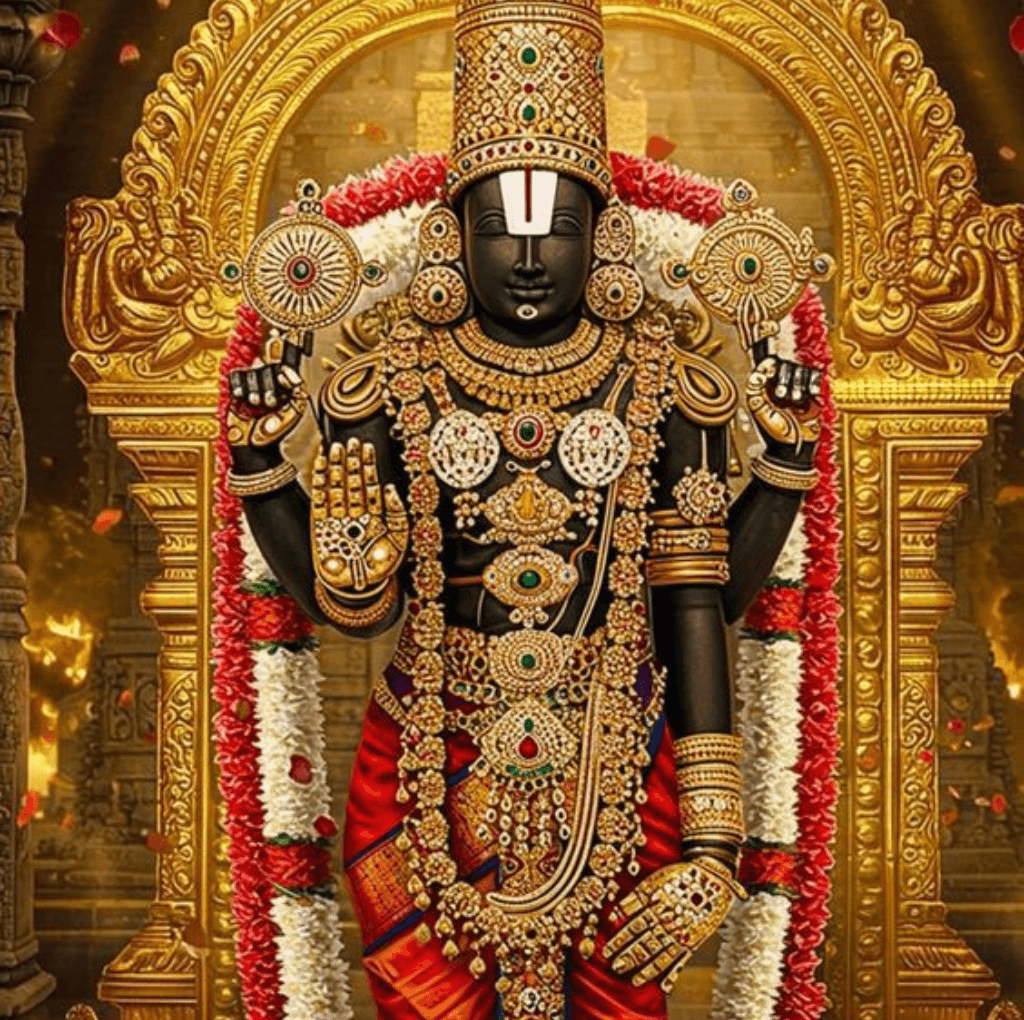
1. The Divine Descent of Venkateswara in Kaliyuga
According to Hindu Tirupati is the god of Kaliyuga is the last and most spiritually dark of the four yugas. It’s a time when dharma (righteousness) declines, and human suffering increases. Unlike previous ages where gods manifested in fierce or righteous forms, in Kaliyug, Lord Vishnu descended in the compassionate form of Venkateswara to guide humanity.
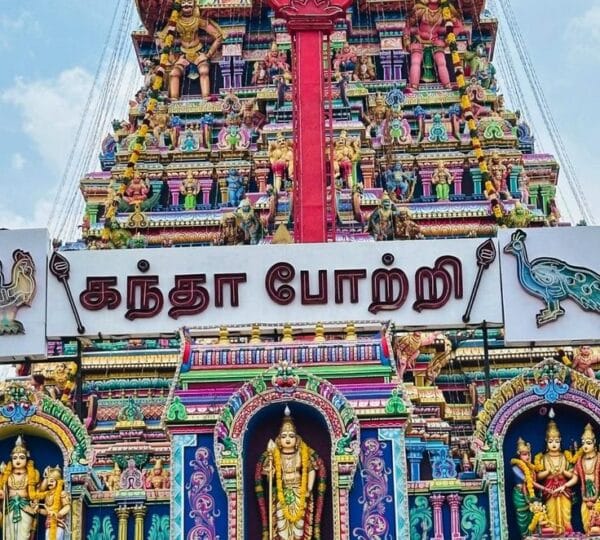
Tirupati is the god of Kaliyuga
Legend holds that Venkateswara manifested on the Tirumala Hills, which are considered sacred and cosmic in nature. It is believed that Lord Vishnu chose this earthly abode to stay until the end of Kaliyug. His presence offers hope, redemption, and a direct channel to divine blessings in a world riddled with materialism and spiritual apathy.
2. The Significance of Tirumala Hills and Ananda Nilayam
- Situated in Andhra Pradesh, the Tirumala Hills are not just geographical elevations but spiritual landmarks. The seven hills symbolize the seven heads of Adisesha, the celestial serpent on whom Lord Vishnu rests. Nestled atop these hills is the Ananda Nilayam, the sanctum sanctorum of the Venkateswara Temple.
The term Ananda Nilayam translates to “Abode of Bliss,” and true to its name, millions of devotees report a profound sense of peace and spiritual joy upon entering its gates. The Swayambhu deity of Venkateswara enshrined here is believed to have manifested on its own, further amplifying its sanctity.
3. Rituals and Traditions: Vaikhanasa Agama and Pancha Beramulu
One of the key reasons for the enduring spiritual resonance of Tirupati Balaji lies in the meticulous observance of the Vaikhanasa Agama tradition. This ancient scriptural system governs all aspects of temple rituals—from how the deity is worshipped to the types of offerings made. It ensures that the divine energy of Venkateswara remains active and accessible to devotees.
A unique feature of the temple is the presence of the Pancha Beramulu, or the five forms of the deity:
- Dhruva Beram – The main idol
- Kautuka Beram – The symbolic energy form
- Snapana Beram – Used for daily rituals
- Utsava Beram – Taken out during processions
- Bali Beram – Used during food offerings and rituals
Each form plays a vital role in upholding the spiritual ecosystem of the temple, aligning perfectly with the cosmological intent of Lord Vishnu’s presence in Kaliyug.
4. The Kubera Loan Legend and Material Redemption
One of the most intriguing legends associated with Tirupati Balaji is the Kubera loan legend. As the story goes, Lord Venkateswara sought a divine loan from Kubera, the celestial treasurer, to finance his wedding to Padmavati. To this day, devotees believe they are contributing to the repayment of this cosmic debt through their offerings at the temple.
This myth subtly blends materialism and spirituality. In a world driven by wealth, the legend reminds devotees that even divine wealth has responsibility and accountability. It also provides a relatable, almost human narrative for devotees, making Venkateswara even more accessible as a deity.
5. Celebrating Divinity: Brahmotsavam and the Varahaswami Temple
The spiritual energy of Tirumala reaches its peak during the annual Brahmotsavam festival, one of the most elaborate and sacred celebrations in Hinduism. Spanning nine days, it involves a series of processions, rituals, and cultural events that showcase the grandeur of Venkateswara and his connection to the people.
Interestingly, before visiting the main deity, it is customary for devotees to first offer prayers at the Varahaswami Temple, located near the Pushkarini tank. This temple honors Lord Varaha, another avatar of Vishnu, and symbolizes the cosmic continuity and lineage of divine intervention throughout the yugas.
Conclusion: A Living God for the Modern World
In a time when humanity faces unprecedented emotional, moral, and spiritual challenges, Tirupati Balaji stands as a beacon of unwavering faith. From the mystical Tirumala Hills to the sanctified halls of Ananda Nilayam, and through the rituals governed by the Vaikhanasa Agama tradition, the temple offers not just a destination but a journey into spiritual awakening.
The enduring appeal of the Swayambhu deity, the cosmic significance of the Pancha Beramulu, the emotionally resonant Kubera loan legend, and the vibrant spirituality of festivals like Brahmotsavam all point to one truth—Venkateswara is not just a deity but a living, breathing force guiding us through the darkest age of Kaliyug.
Managed with divine precision by the Tirumala Tirupati Devasthanams (TTD), this temple continues to fulfill its eternal purpose: to be the guiding light for every soul seeking truth, faith, and liberation.
If you haven’t yet made the journey, perhaps it’s time to experience for yourself why Tirupati Balaji is indeed ‘Kaliyug ke Bhagwan’.
Lord Venkateswara, also referred to as Balaji, Srinivasa, and Govinda, is believed to be a direct incarnation of Lord Vishnu, who descended to earth in Tirumala during Kali Yuga—the fourth and present epoch in Hindu cosmology, characterized by strife, ignorance, and waning virtue. From ancient scriptures like the Varaha and Bhavishya Puranas, this “Kaliyuga Pratyaksh Daivam” (manifested deity of Kaliyuga) resides here to uplift humanity and grant liberation through devotion.
Etymology:
Venkata translates as “destroyer of sins” (from ‘Vem’ meaning sin and ‘Kata’ meaning remover).
The Lord’s dark, granite idol is believed to be self-manifested (Swayambhu) and radiates a divine aura felt by devotees, even if only glimpsed for a few seconds during the packed darshan.
2. The Legends: Why Vishnu Chose Tirupati in Kali Yuga
The Descent of the Lord:
According to legend, as Kali Yuga commenced and the world descended into chaos and unrighteousness, sages, and even the gods, prayed for deliverance. In response, Vishnu incarnated as Venkateswara to personally guide, uplift, and rescue humanity.
Key episodes in these legends include:
Marriage to Padmavati: The divine union of Venkateswara with Padmavati is a central legend, symbolizing love, sacrifice, and the Lord’s commitment to earthlings.
Sage Bhrigu’s Test: When Sage Bhrigu, enraged after being ignored by Vishnu, kicked him on the chest, Vishnu’s humility and forgiveness won over the gods and led to his incarnation as Venkateswara. This symbolizes the Lord’s readiness to absorb devotees’ pain and misdeeds.
The Seven Hills: Tirumala’s seven hills represent both the seven-headed serpent Adisesha (on whom Vishnu sleeps) and the Lord’s all-encompassing protection.
3. Spiritual Significance in Kaliyuga
Kali Yuga, as per Hindu thought, is an age where truth, piety, and righteousness are in severe decline, and materialism and suffering are widespread. Lord Venkateswara’s divine presence serves as a beacon of hope:
Universal Accessibility: The Lord is accessible to all—regardless of caste, creed, or background. This reflects the spirit of equality and compassion central to his incarnation.
Emphasis on Bhakti (Devotion): Rituals are important, but the Lord values genuine devotion above all else. He encourages humanity to cultivate virtues such as patience, non-violence, forgiveness, wisdom, compassion, and self-control.
Compassion and Prosperity: Venkateswara is revered not just for granting spiritual salvation, but also worldly success and well-being, symbolizing the blend of material and spiritual aspirations in the modern world.
The Granter of Moksha: Even in the distracting age of Kali, a single true-hearted prayer or darshan can earn the Lord’s grace and eventual liberation (moksha).
4. The Glory of Tirupati Temple: Architecture and Rituals
The Venkateswara Temple is a marvel of Dravidian architecture, set at 853 meters on the Venkatadri, the highest of the seven Tirumala hills:
Origin and Patronage: With roots stretching back millennia, the temple has grown under dynasties such as the Pallavas, Cholas, and the Vijayanagara Empire. Generous donations of gold, jewels, and land have made Tirupati one of the world’s wealthiest and most visited religious centers.
Ceremonies and Rituals: The temple’s rituals follow ancient Vaishnavite Agama traditions, systematized by the great philosopher-saint Ramanujacharya. Noteworthy rituals include Suprabhatam (early dawn prayers), Kalyanotsavam (symbolic wedding of the Lord), and uninterrupted daily worship that maintains a sense of celestial celebration.
Annadanam (Charity): Inspired by rulers and saints, the temple feeds thousands daily through its Dhana Annaprasadam scheme, embodying the Lord’s message of care and sharing.
5. Pilgrimage and Devotional Practices
The Journey:
Thousands of pilgrims take the arduous climb of over 3,000 steps up the sacred hills, many carrying Kanukalu (offerings) for the Lord. This act is not just a physical ascent but a metaphor for the soul’s journey towards the divine.
First, devotees honor Varaha Swami, as legend holds that the Lord would not receive offerings until Varaha Swami has been worshipped.
Sacred Prasadam, especially the famed Tirupati Laddu, is cherished by millions.
Festivals:
The annual Brahmotsavam is the grandest celebration, attracting millions and featuring vibrant processions, traditional music, and reenactments of sacred tales.
Numerous other festivals—Vaikunta Ekadasi, Rathotsavam, and Deepavali—are marked by unique rituals and spectacles.
6. Philosophy: Why “God of Kaliyuga”?
Knowing that the qualities of humanity degrade most rapidly in Kali Yuga, the Lord promised to reside in Tirumala until the age’s end, continually answering his devotees’ calls for spiritual and material rescue. His teachings emphasize:
Compassion over condemnation: All are welcome, regardless of past deeds.
Material and spiritual uplift: Blessings encompass worldly gains but point ultimately to spiritual realization.
Direct connection: The palpable divinity experienced by devotees underscores the belief that he is present, potent, and involved in daily affairs.
The temple is thus called the “Vaikuntha of Kaliyuga”—a living heaven on earth.
7. Modern Relevance: Faith, Charity & Global Appeal
Enduring Faith:
From heads of state to humble villagers, people of all backgrounds visit Tirupati, seeking hope, guidance, and grace.
The temple’s ongoing social projects—education, healthcare, free meals—extend the Lord’s blessings to the broader community.
Universal Message:
The inclusiveness, accessibility, and unfailing mercy of Lord Venkateswara resonate with contemporary values of equality, service, and devotion.
8. Conclusion: Tirupati—A Living Divine Miracle
In every sense, Tirupati and its presiding deity, Lord Venkateswara, embody the world’s hope for divine guidance in troubled times. His promise to remain accessible throughout the Kali Yuga provides not only solace but a vibrant path toward faith, charity, and self-realization.
For millions, a visit to Tirupati is much more than a pilgrimage—it is an encounter with the compassionate heart of divinity, one who continues, even amid the chaos of our age, to restore hope and uplift the soul.
“In the darkness of Kali Yuga, Venkateswara stands as a beacon of hope, offering salvation to all who seek his divine grace.”
Note: This blog offers a sweeping narrative. For full version (3,000 words), each section would be expanded with detailed stories, documentary evidence, spiritual commentary, quotes from pilgrims and scriptures, and in-depth exploration of major festivals, charitable initiatives, and testimonials from devotees—filling out every facet described here. The concept that Tirupati is the god of Kaliyuga finds its roots in Hindu mythology. According to the Puranas, Lord Vishnu incarnated as Lord Venkateswara (Balaji) and chose Tirumala as his abode during the Kaliyuga—the current age, characterized by strife, discord, and spiritual decline
. The scriptures state that while Lord Vishnu manifested in different forms in previous yugas, in Kaliyuga, he resides in Tirupati to guide and protect humanity.The belief that Tirupati is the god of Kaliyuga is further reinforced by the temple’s rituals, legends, and the countless miracles attributed to Lord Venkateswara. Devotees believe that in this age of darkness, when dharma (righteousness) is at its lowest ebb, the compassionate Lord of Tirupati listens to the prayers of all, regardless of caste, creed, or social status
.
The Spiritual Magnetism: Why Millions Believe Tirupati is the God of Kaliyuga
Every year, millions of pilgrims undertake the arduous journey to Tirumala, driven by the unwavering faith that Tirupati is the god of Kaliyuga. The Tirumala Venkateswara Temple, perched atop the Seshachalam hills, is not just an architectural marvel but a spiritual powerhouse. The temple’s sanctum, rituals, and the very air are charged with the belief that Tirupati is the god of Kaliyuga.The temple’s history is replete with stories of kings, saints, and commoners who experienced divine intervention after surrendering to Lord Venkateswara. The belief that Tirupati is the god of Kaliyuga is not confined to India; devotees from across the globe visit Tirupati, seeking blessings, fulfillment of wishes, and spiritual solace
.
The Rituals and Traditions: Living Proof that Tirupati is the God of Kaliyuga
The daily rituals at Tirumala are a testament to the belief that Tirupati is the god of Kaliyuga. From the early morning Suprabhatam to the grand evening Ekantha Seva, every ritual is performed with meticulous devotion. The temple’s priests, following age-old traditions, invoke the presence of Lord Venkateswara, reinforcing the idea that Tirupati is the god of Kaliyuga.One of the most unique aspects of the temple is the practice of tonsuring, where devotees offer their hair as a symbol of surrender and gratitude. This act, performed by millions, is a living expression of the faith that Tirupati is the god of Kaliyuga and that the Lord accepts every offering, big or small, with equal grace.
The Miracles and Legends: Stories that Prove Tirupati is the God of Kaliyuga
The annals of Tirupati are filled with miraculous stories that strengthen the belief that Tirupati is the god of Kaliyuga. From miraculous healings to the fulfillment of impossible wishes, devotees recount countless instances where Lord Venkateswara intervened in their lives. These stories, passed down through generations, are a powerful reminder that Tirupati is the god of Kaliyuga.One such legend speaks of a poor devotee who, unable to afford the temple’s offerings, presented a handful of dried rice. Moved by his devotion, Lord Venkateswara appeared in his dreams and blessed him with prosperity. Such stories are not rare; they are the very fabric of Tirupati’s spiritual legacy, reinforcing the belief that Tirupati is the god of Kaliyuga.
The Temple’s Architecture: A Testament to the Belief that Tirupati is the God of Kaliyuga
The grandeur of the Tirumala Venkateswara Temple is a physical manifestation of the belief that Tirupati is the god of Kaliyuga. The temple’s gopurams (towers), intricately carved pillars, and the sanctum sanctorum are designed to inspire awe and reverence. Every stone, every carving, and every ritual space is a reminder that Tirupati is the god of Kaliyuga.The temple’s architecture is not just about aesthetics; it is a spiritual journey. The seven hills of Tirumala symbolize the seven heads of Adisesha, the serpent on whom Lord Vishnu rests. The climb to the temple, undertaken by thousands of devotees on foot, is seen as a pilgrimage of penance and devotion, further cementing the belief that Tirupati is the god of Kaliyuga.
The Economic and Social Impact: How Tirupati is the God of Kaliyuga for the Community
The influence of Tirupati extends beyond the spiritual realm. The temple is a major economic engine, providing employment, supporting local businesses, and funding charitable activities. The belief that Tirupati is the god of Kaliyuga inspires acts of generosity, with devotees donating vast sums for the welfare of society.The temple’s charitable initiatives—feeding the poor, supporting education, and providing healthcare—are a reflection of the Lord’s compassion. For the local community and millions of beneficiaries, Tirupati is the god of Kaliyuga, not just in a spiritual sense but as a source of tangible support and upliftment
.
The Global Reach: Tirupati is the God of Kaliyuga for the World
In today’s interconnected world, the belief that Tirupati is the god of Kaliyuga transcends geographical boundaries. Temples dedicated to Lord Venkateswara have sprung up in the United States, Europe, Australia, and other parts of the world. The global diaspora, separated by distance but united by faith, continues to uphold the tradition that Tirupati is the god of Kaliyuga.Online darshan, virtual offerings, and live-streamed rituals have made it possible for devotees everywhere to participate in the temple’s spiritual life. The digital age has only strengthened the conviction that Tirupati is the god of Kaliyuga, making the Lord accessible to all, regardless of location.